
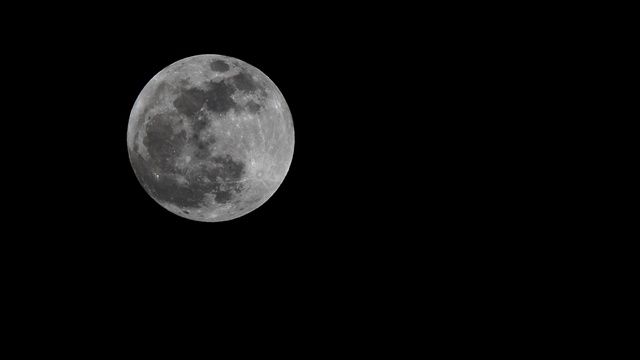
Did you know that full moons have names that were bestowed on them based on both Native American and ancient cultures?
According to National Geographic, ancient cultures would give each full moon a different name based on the behavior of the plants, animals or weather during that month.
Jan. 17 is the Wolf Moon, it will appear full for roughly three days from Sunday evening through Wednesday morning, according to NASA.
The Wolf Moon was given its name from Native Americans who heard packs of wolves “howling outside the villages amid the cold and deep snows of winter,” NASA’s website states.
More names for the January full moon include the Moon after Yule, Old Moon and Ice Moon.
According to the Old Farmer’s Almanac, which you can learn more about here, the popular names of the full moons for the year are:
January – Wolf MoonFebruary – Snow MoonMarch – Worm MoonApril – Pink MoonMay – Flower MoonJune – Strawberry MoonJuly – Buck MoonAugust – Sturgeon MoonSeptemeber – Corn MoonOctober – Hunter MoonNovember – Beaver MoonDecember – Cold Moon
“The Moon names we use in The Old Farmer’s Almanac come from Native American, Colonial American, or other traditional North American sources passed down through generations,” according to the Old Farmer’s Almanac website.